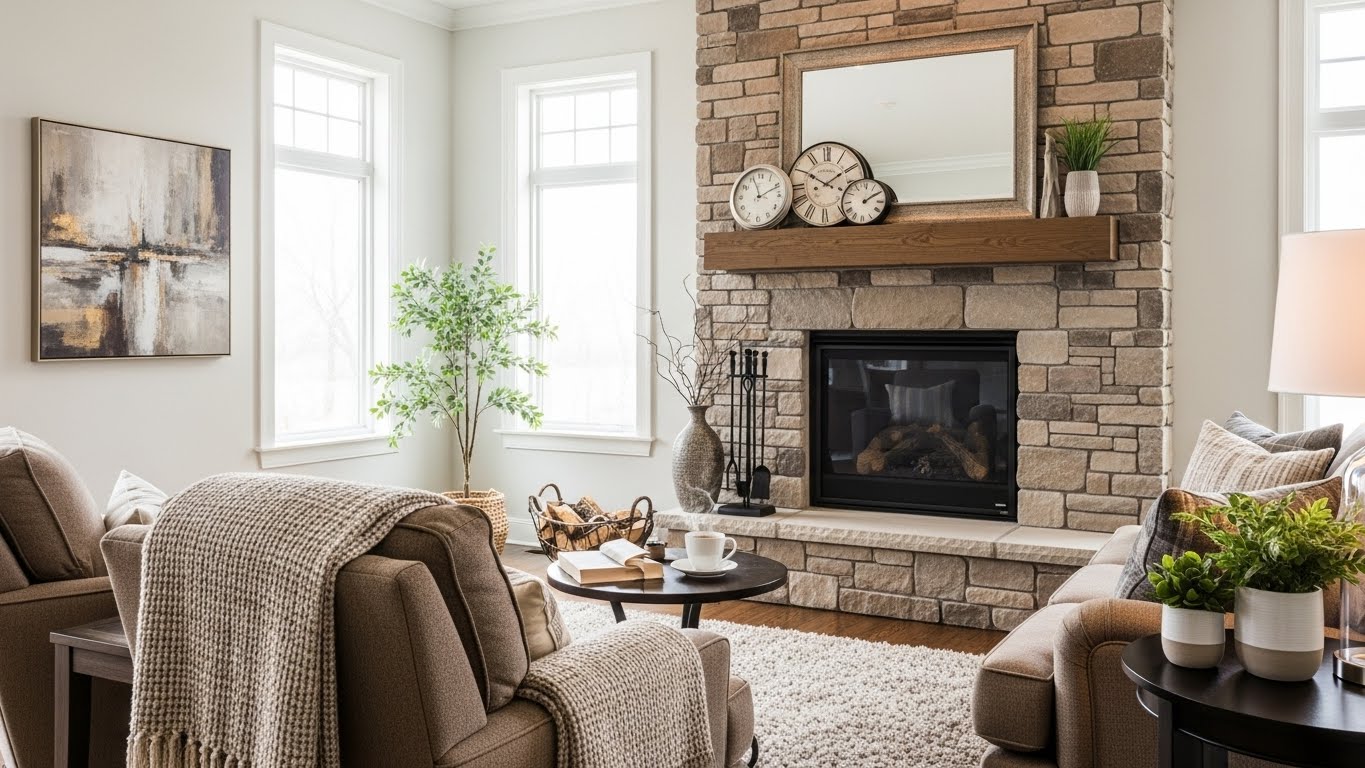
Learn why a focal point in interior design is crucial. Discover types of focal points, how to create a focal point, and how to handle multiple focal points for a cohesive look.
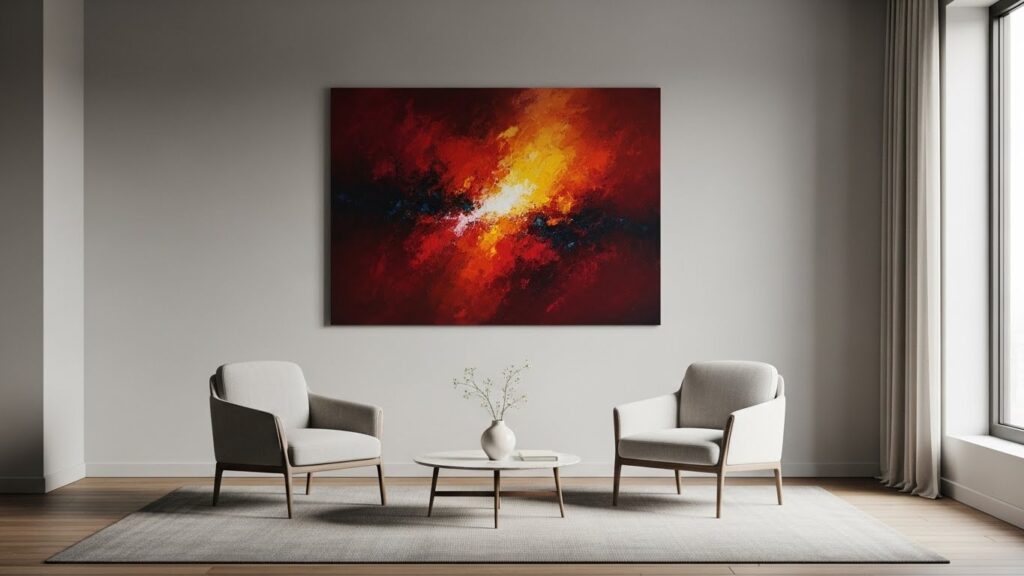
Walk into a well-designed room and your eyes instantly know where to go. That “first wow” moment? That’s the focal point doing its job.
In simple words, a focal point in interior design is the point of focus that draw attention, guides the flow of a space, and sets the tone for the entire room upon entering. And yes – this is why the importance of focal point (and the overall importance of focal) is huge, whether you’re a homeowner styling your new flat or an interior designer planning a full makeover.
Let’s break it down in an easy, practical way – with real examples you can actually use.
What Is a Focal Point in Interior Design (and Why Focal Point Is One Big Deal)?
A focal point is the main visual anchor of a room – something that draw the eye naturally. It could be an architectural feature, a statement piece, a stunning piece of art, or even a bold wall treatment like wallpaper.
The importance of a focal point
The significance of focal points comes from one job: helping the room feel intentional. Without a focal point, the room can look “nice”… but also a little scattered, like everything is competing for attention.
A focal point plays a crucial role because it:
- creates visual interest
- adds visual appeal
- helps you create a cohesive arrangement
- supports the room’s purpose (your room’s purpose matters!)
- makes the overall design feel well-designed, not random
Importance of Focal Point: How It Creates a Cohesive Overall Design
Let’s say your living room has a sofa, chairs and tables, a rug, curtains, and décor. If everything has equal importance, your eye doesn’t know where to land – so the space feels messy.
A strong focal point helps you:
- build your design scheme around one “hero”
- plan furniture placement with clarity
- make the rest of the design complement (not fight)
- create balance and harmony and a real sense of balance
That’s the real impact of the focal point – it quietly makes the whole space feel calmer and more polished.
Recommended: Understanding the Psychology Behind Color Psychology in Interior Design (and How to Use Color in Interior Design)
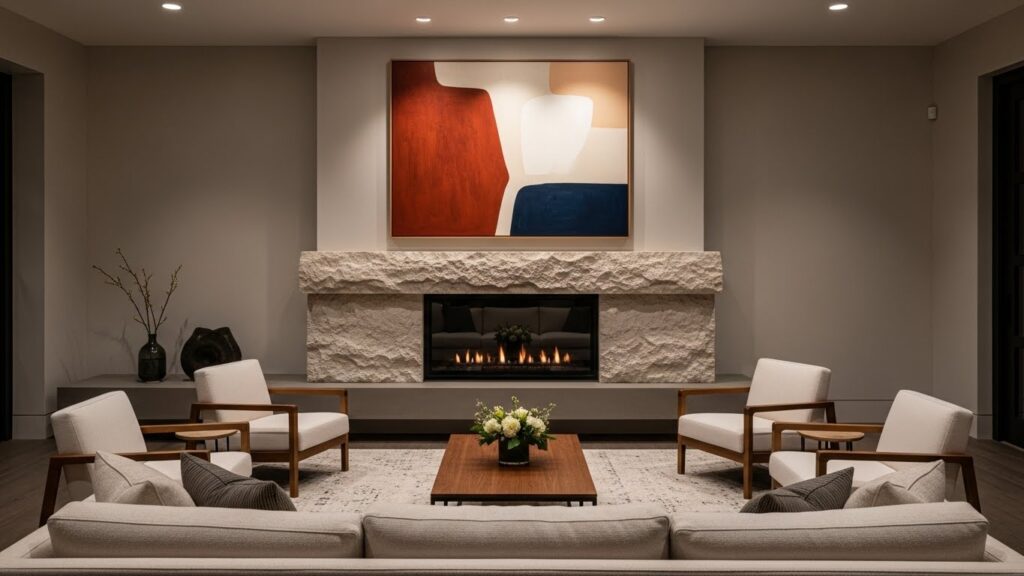
Types of Focal Points: What Can Serve as a Focal Point in a Room?
There are many types of focal points – and the best one depends on your layout and your lifestyle.
1) Natural focal point: architectural elements
Sometimes the room already has a natural focal point:
- a fireplace (especially when you design together around a fireplace)
- an architectural feature like alcoves or archways
- an exposed brick wall
- a large window with a great view
- unique architectural elements like columns or ceiling beams
These are built-in “look here” moments, and they often dominate the space in a good way.
2) Statement piece furniture: the hero object
A piece of furniture can instantly become a focal point:
- an intricately carved furniture console
- a bold headboard in a bedroom
- a sculptural sofa
- a standout dining setup (yes, dining tables can be a focal point too)
The trick is strategic placement of statement pieces so it catches the eye upon entering.
3) Accent wall, wallpaper, and textures
Want to create a focal point without buying new furniture? Try:
- an accent wall
- dramatic wallpaper
- different textures and patterns (wood slats, fluted panels, stone finishes)
This is one of the easiest ways to create visual impact and adding depth.

4) Art + lighting fixtures
A piece of artwork (or a gallery wall) can anchor a space beautifully:
- a large piece of art
- a framed painting
- a bold mirror
Pair it with a standout fixture like:
- a chandelier
- pendant lights
- wall sconces that illuminate design features
Lighting helps highlight the focal zone and brings instant eye-catching charm.
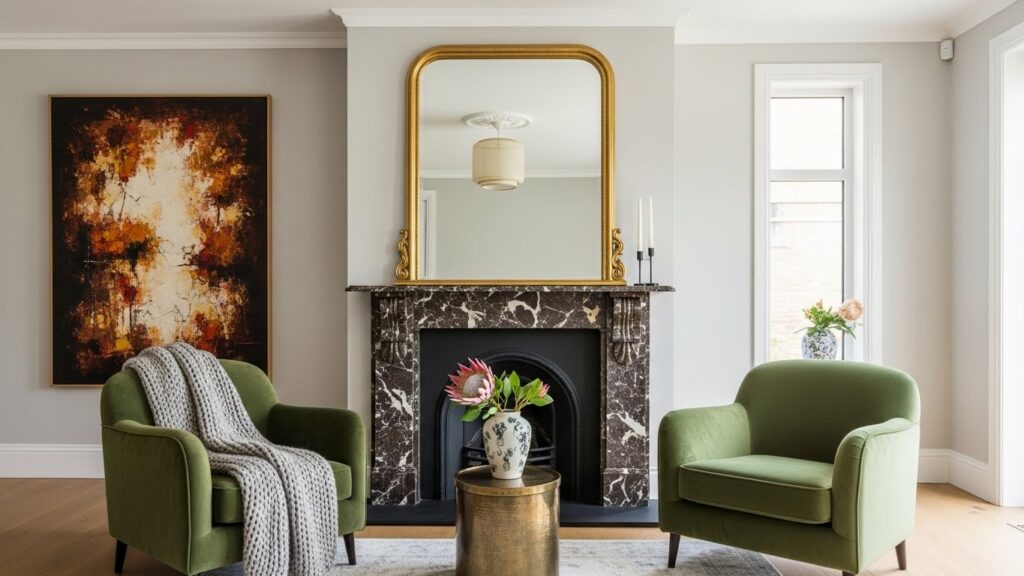
5) Interior plants as dynamic focal points
Yes – interior plants can become focal points too (and they’re “alive,” so they feel fresh and dynamic).
- tall plants in corners
- a statement planter near a window
- interior plants such as ferns on stands or shelves
Plants create a sense of warmth and can elevate a neutral room fast.
Read more: How Interior Designers Add Value to Your Renovation (Beyond Just “Making It Pretty”)
How to Create a Focal Point (Without Overdoing It)
If your room doesn’t have a natural focal point, don’t worry – you can create a focal point easily.
Step 1: Decide the room’s purpose first
A focal point should match the room’s purpose:
- Living room: TV wall + media unit, art wall, or a feature sofa zone
- Bedroom: headboard wall, artwork above the bed
- Dining: dining tables + pendant light combo
- Entry: console + mirror + statement light
The right focal point helps create a cohesive design narrative.
Step 2: Use contrast to draw attention
To draw attention, create contrast using:
- bolder colour or darker tone
- vertical lines (like fluted panels) to add height
- horizontal or vertical lines to guide the eye
- furniture in contrasting tones (think: light sofa against a deeper wall)
Step 3: Keep supporting elements quieter
Here’s the golden rule: once you pick the focal point, let the rest of the design support it.
- simpler side tables
- softer wall colours around it
- minimal clutter nearby
This is how you create a cohesive look without making the room feel “busy.”
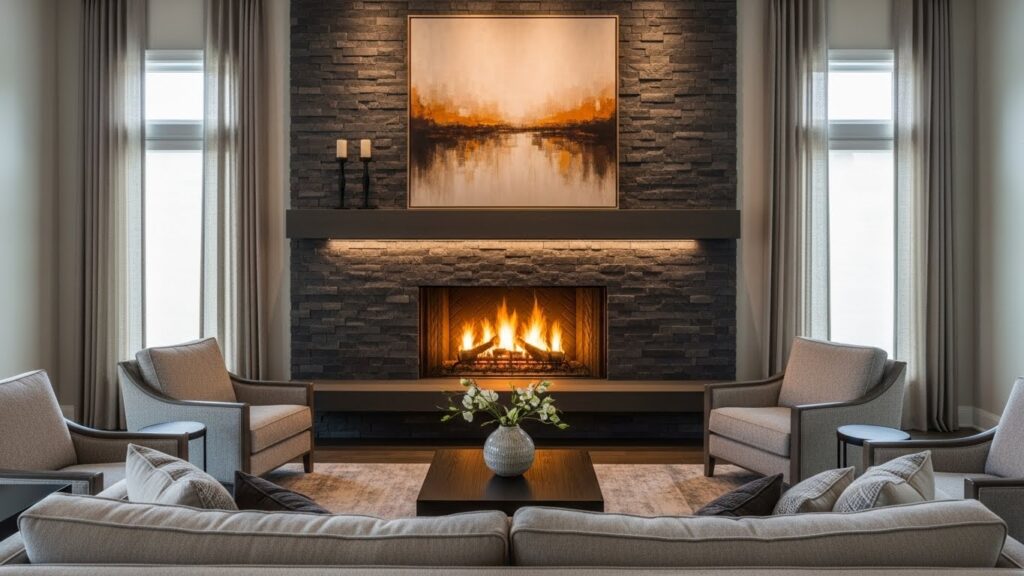
Multiple Focal Points: When It Works (and When It Becomes a Mess)
Yes, rooms can have multiple focal points – but it needs control.
When multiple focal points work
It can work when:
- they’re on the same visual line (like a fireplace + artwork above it)
- one is clearly dominant, others are secondary
- the elements complement each other in scale and style
Example: In a living room, your fireplace may be primary, while a statement chandelier supports it – this is all about working with a room’s strongest focal element instead of competing against it.
When multiple focal points don’t work
It feels chaotic when:
- the TV wall, a bold wallpaper wall, and a giant artwork are all screaming at once
- every corner tries to be a statement piece
- nothing creates a clear point of focus
If you feel your eyes darting everywhere, the focal point is missing – or there are too many.
Ways to Establish a Strong Focal Point in a Living Room (Practical Ideas)
If you’re stuck, here are quick focal point Ideas for living rooms you can actually use:
- Media wall + textured paneling + hidden lights
- A bold sofa with clean surrounding décor
- Exposed brick behind the seating zone
- Large artwork + spotlight
- Mirror + console + warm lighting in the entry
- A plant corner with tall greenery + accent chair
Remember: a focal point could be simple – just intentional.
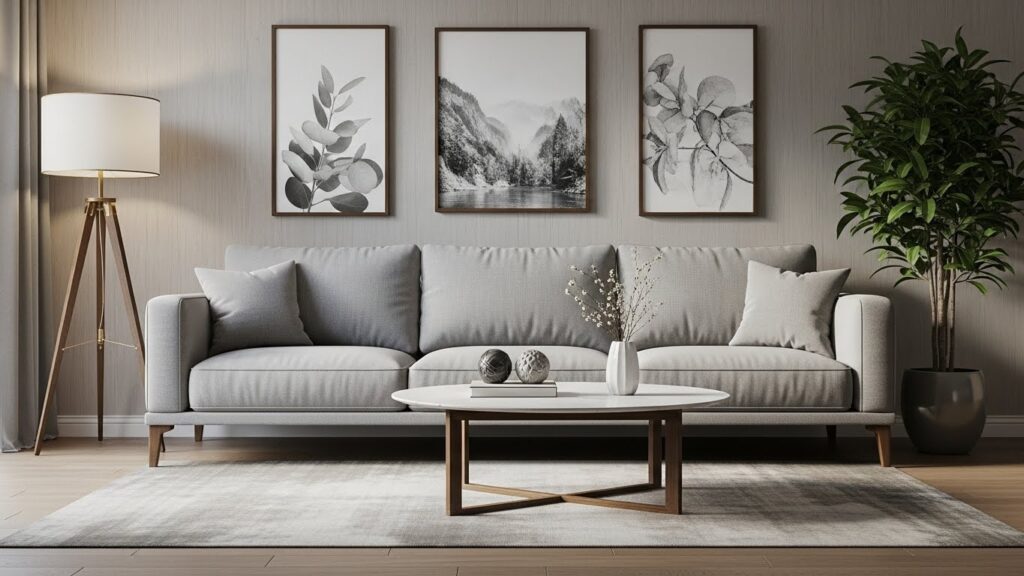
Common Mistakes Homeowners Make With Focal Points (Easy Fixes)
As a homeowner, you’ll usually see these issues:
- No one focal point (everything feels equally “meh”)
- Too many statement pieces competing
- Poor furniture placement that blocks the focal zone
- Not giving enough attention to the focal point with lighting
- Ignoring scale (tiny art on a huge wall disappears)
Fix = pick one hero, support it, and keep the flow clear.
Final Thoughts: Why the Focal Point Is Crucial to Transform a Space
A focal point is crucial because it anchors the room, creates clarity, and improves the ambiance of the space. It helps you create a visually pleasing setup, supports the overall design, and gives your home that “designer” feel – without needing a million décor items.
When done right, the focal point draws the eye and serves as the visual story of your space – everything else simply works around it.
Want Help Creating Focal Points That Look Stylish (and Not Overdone)?
At Custom Design Interiors Pvt Ltd (CDI), as a home interior designer in Kolkata, we help you plan layouts, feature walls, furniture placement, and lighting so your home feels cohesive, practical, and visually appealing – whether it’s a new flat or a renovation.
![Read more about the article Top 13 Benefits of a Modular Kitchen Design [2026] – Why It’s the Smartest Choice for Modern Homes](https://customdesigninteriors-pvtltd.com/wp-content/uploads/2026/01/7c364a71-8fb1-429c-96ee-321b63214864-300x169.jpeg)